
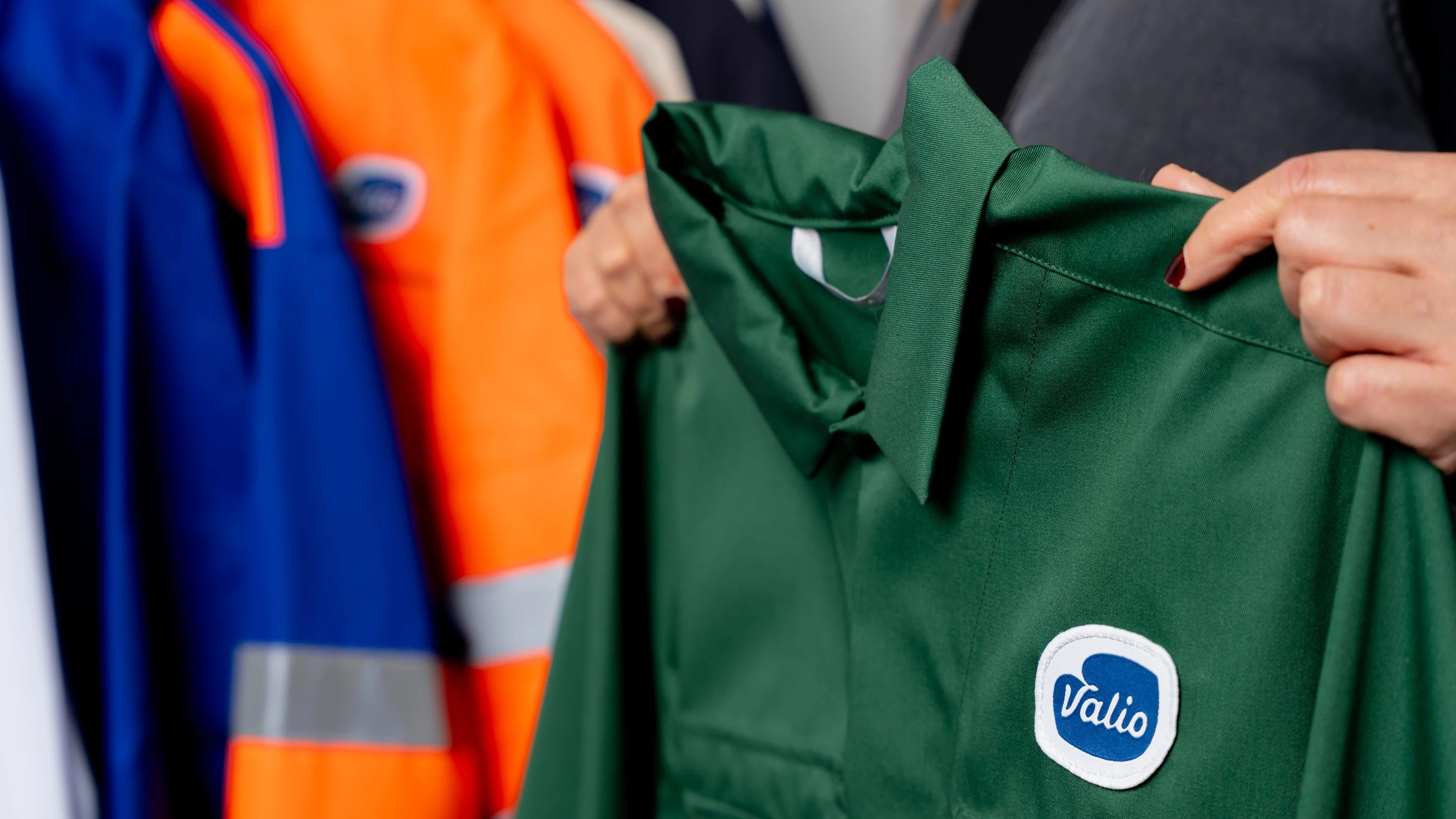
In many industries, workwear is a necessary part of the working day. It has to be the right size, right for the job, clean and in good condition, and above all it has to be there when the employee needs it.
As headcount grows, as people come and go, or as the number of different garments in use rises, managing workwear easily turns into a surprisingly large job. Garments are bought, washed, repaired, exchanged, stored and handed out to staff. Someone also has to know who has what and when new items are needed.
In a workwear rental service, that whole job moves from the company to the service provider. It covers more than renting the garments. It covers managing their full life cycle.
In the end, a workwear service is not judged on how good the service model looks on paper. It is judged in the daily life of the workplace: the right employee has a clean garment in the right size and right for the job, ready when the shift starts.
In an ownership model, the company is left with buying the garments as well as washing, maintaining, storing them and keeping the rotation under control. A new employee needs the right items in the right sizes, and when staff change, garments coming out of use should be brought back into circulation. Worn or damaged items have to be spotted and replaced.
For a single employee the workload may look small, but in an organisation with tens or hundreds of users it grows quickly. The point of the rental model is to turn this continuous work into a managed service process.
The working life of a garment is not set by its purchase price or its material alone. A significant part of it is decided during use and maintenance.
Workwear often takes far more punishment than ordinary clothing. Dirt, grease, dust, chemicals and constant mechanical wear place different demands on garments depending on the industry and the job. The wash process also has to match both the material of the garment and what it is used for.
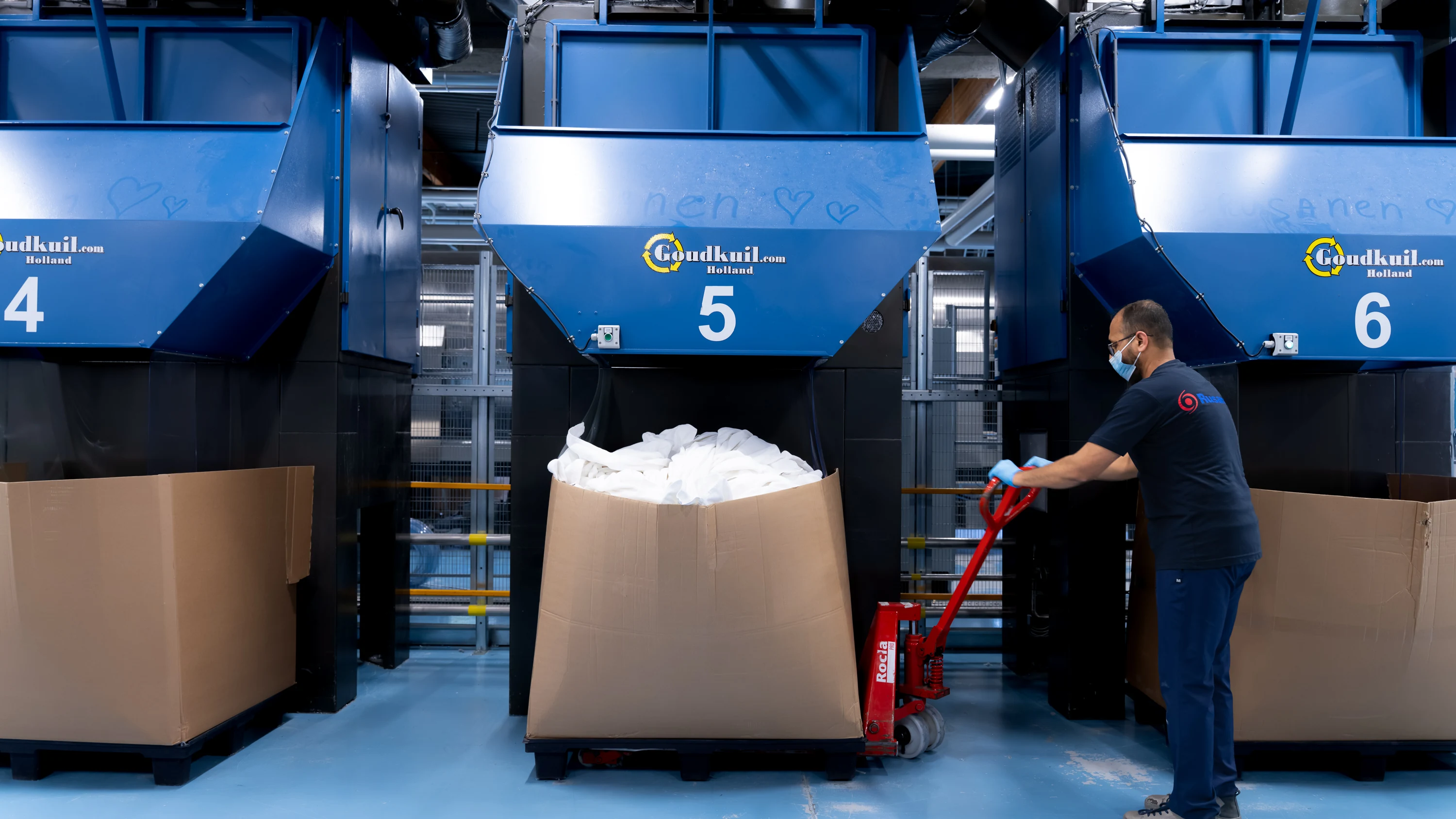
In a professional laundry the wash process can be controlled as a whole, from the chemistry and the temperature through to drying and finishing. At the same time the condition of the garments can be monitored during the wash cycle, so items needing repair or replacement are spotted as part of the normal service.
With the right care, workwear stays tidy and usable for longer, and there is no need to replace it before its time.
Beyond its practical job, a work garment has a visible role in the life of a company. Staff working at customer sites in particular represent the company on every visit, and a consistent, tidy work outfit makes the company recognisable and gives a polished impression of how it operates.
Different industries also place very different demands on workwear. In industry the emphasis falls on protection, visibility and durability, while in food production the focus is on hygiene and a controlled textile cycle. A workwear service should therefore always start from where and how the garments are actually used.
The same workwear solution does not suit everyone, and it does not need to.
When companies look at the cost of workwear, attention easily settles on the purchase price. The real cost is made up of much more than that: washing, maintenance, repairs, replacement, storage and the working hours spent managing the garments all count.
In a rental model these costs can be brought together into one clear service. The company does not have to make a large workwear purchase in one go, and garment care and the upkeep of the rotation can be planned as part of an ongoing service.
This helps companies whose headcount, job roles or garment needs change. The stock of workwear can be kept in line with real need, instead of the company warehouse filling up over the years with garments in different sizes bought for different purposes.
The sustainability of a work garment is worth looking at beyond the moment it was made. How well the item is used and how long it stays fit for its original purpose matter too.
When workwear is maintained systematically, repaired where possible and replaced only when its condition calls for it, each item gives more wears. At the same time the need for new garments and the volume of textiles going out of use both fall.
In a rental model the service provider also has a natural interest in looking after the life cycle of the garments. A good work garment is a tool of the trade. It should last as long as possible in the use it was designed for, rather than being treated as disposable.
The biggest benefit of a workwear service that works is a very ordinary one: workwear stops being a separate running project inside the company.
Kitting out a new employee, size changes, the rotation of soiled laundry, deliveries of clean garments and the repair and replacement of worn items can all be built into one managed whole. The company knows how the service works and who to contact if something changes.
At Rusanen Group we think a good workwear service should show up for the customer above all as a working day that runs. The garments are in the right place, with the right user, at the right time, clean and fit to wear.
When that is in place, the company does not have to spend its time running workwear around. It can concentrate on the work the garments were needed for in the first place.

Reach the right people.
Choose the route that matches what you need.
Request a quote
Tell us what textiles you need and for which sites. Add an estimate of the volumes.
Request a quoteCustomer service and invoicing
Contact customer service about deliveries, volume changes, complaints or invoices.
Contact us