
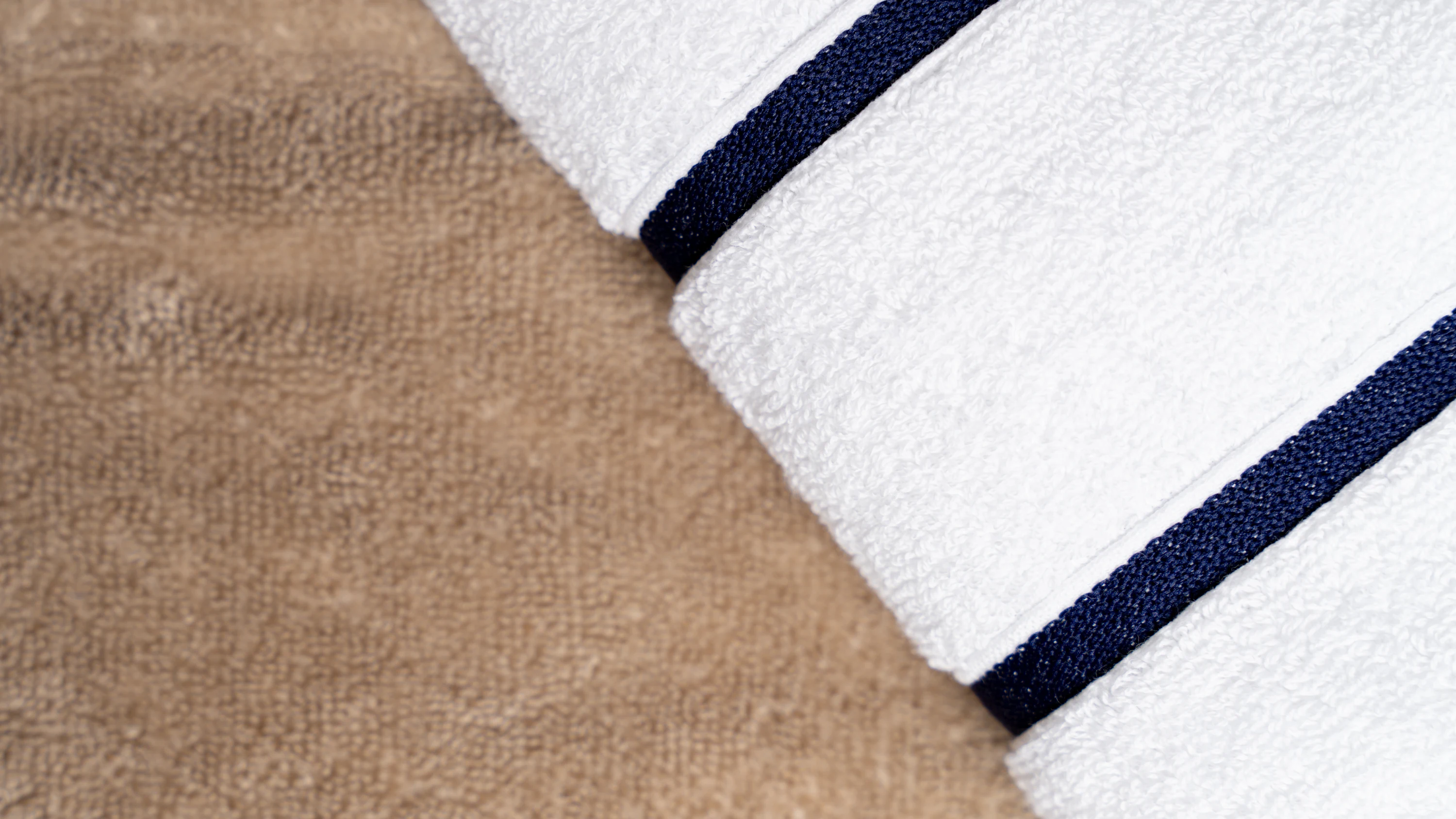
In a hotel room, textiles are much more than consumables. Fresh sheets, soft towels and a well-made bed are the first things a guest reads the cleanliness and quality of the room from.
Few people stop to think how many uses, washes, dryings, pressings, transports and bed-makings fit into the life of a single duvet cover.
In professional use, the working life of a textile is not set by how good the product was when it was bought. Material, wash process, use, storage and daily handling form a whole. When that whole works, textiles keep their looks for longer, new purchases are needed less often and the environmental load falls as well.
Development in the textile industry has brought materials and fibre structures to market that combine comfort and wear resistance better than before. Core-spun yarns, for example, can draw on the pleasant feel of natural fibres and the durability of synthetic ones.
How quickly a textile dries also matters. A material that dries faster can cut the energy needed in the laundry process and speed up the circulation of textiles at the same time.
A high thread count, a heavy weight per square metre or a thick fabric still does not automatically mean a long working life. What matters more is choosing a textile designed for the use and the wash processes it will meet year after year.
Even a good textile will not stay good if it is maintained badly.
Washing is a constant balance between two things: the textile has to come clean enough, and it should not be handled more harshly than necessary. Too high a temperature, the wrong chemistry or heavy mechanical handling can wear fibres out early. On the other hand, too gentle a wash process may not remove the soiling. In a professional wash, temperature, detergents, water volume, mechanical action, drying and finishing form a single whole.
The wash programme has to suit both the material of the textile and what it is used for.
At Rusanen Group this is everyday laundry work: we do not wash everything the same way just because it all looks white.
When a textile is finally taken out of use, the washing machine is an easy place to look for the culprit. In reality, a lot more than washing fits into the life of a textile.
In a hotel, textiles come into contact with cosmetics, sun creams, hair dyes, drinks and other difficult stains. Removing heavy staining can in turn call for treatment that puts more strain on the fibres than usual.
Wear also happens in transport, in storage, in pressing, in sorting and in bed-making, as well as in normal guest use. A long working life is therefore not the hotel alone or the laundry alone to deliver. It is built across the whole textile cycle.
Extending the working life of textiles rarely calls for large investment. What it calls for is consistent practice across the whole textile cycle. When textiles are handled correctly in the hotel, in transport and in the laundry, they stay in better condition and last longer.
In the hotel, for example, it pays to react to stains as quickly as possible, since soiling left in a textile can later need harsher treatment. An even rotation of the textile stock matters too: if some items are in constant use while others wait in storage, the textiles wear at different rates. In the laundry, the right wash programmes, machine load levels and controlled drying and finishing all affect how much strain a textile takes on each wash.
Taken one by one these can seem like small things, but the number of textiles and the number of washes in a hotel make their effect significant quickly. When the same sheet or towel goes round the cycle tens or even hundreds of times, every handling counts towards its full life cycle.
The purchase price of a textile tells only part of its real cost. From the hotel point of view, what matters more is how many uses the textile gives before it has to be taken out of circulation and replaced.
A slightly higher purchase price can be justified if the textile keeps its properties and its looks considerably longer. When new products are needed less often, the cost per use can work out lower. In textile purchasing, the unit price alone does not always give a true picture of which option is the most cost-effective over time.
A long working life is also closely tied to sustainability. The longer an existing textile can serve its original purpose, the less often a new product is needed to replace it. That reduces the environmental load of manufacturing, transporting and disposing of new textiles. Sustainability is about more than where and how a new textile is made. It is also about how well the textiles already bought are looked after.
A hotel and a laundry look at the same textile from slightly different angles. In the hotel, attention goes above all to how the textile looks and feels to the guest. In the laundry, staff see day after day how materials behave in repeated washes, what stains and damage appear, and how the properties of a textile change with use.
Co-operation between the laundry and the hotel can therefore give valuable information for future textile purchases as well. If a product wears faster than expected, the reason may lie in the choice of material, but also in how it is used, in the wash process or in how the textile is handled at some stage of the cycle. When the cause of the wear is looked at together, a solution can be found that improves working life without giving up cleanliness, quality or the guest experience.
At its best, the job of a laundry partner goes beyond collecting the soiled laundry and returning it clean. Over a long partnership, the laundry builds up knowledge of how textiles behave and wear, and that knowledge can be put to work both in developing daily textile care and in planning new purchases.
To the hotel guest, the work behind textile care is almost invisible, even though its result is one of the most visible and most tangible things in the room. The guest does not need to know about wash programmes, the technical properties of materials or the textile cycle. What matters to the guest is that the bed looks well made, the sheets feel pleasant and the towels are clean and in good condition.
That is exactly why the life cycle of hotel textiles is worth looking at as a whole. A well-chosen textile, careful daily handling and a professional wash process support each other and help keep the quality of the textile for as long as possible. At the same time the hotel can keep better control of its textile costs and cut out replacement it does not need.
Successful textile care shows up as something simple: time after time, the guest gets a clean, well-presented and good experience, even though most of the work behind it happens out of sight.
Reach the right people.
Choose the route that matches what you need.
Request a quote
Tell us what textiles you need and for which sites. Add an estimate of the volumes.
Request a quoteCustomer service and invoicing
Contact customer service about deliveries, volume changes, complaints or invoices.
Contact us